
Used Playground Equipment: 9 Costly Buying Mistakes
Used playground equipment can be a good purchase when its identity, condition, replacement parts and relocation plan are documented. The asking price alone cannot tell a school, church or community whether it saves money. Compare the complete installed project, then resolve the unknowns before committing a deposit or accepting a donation.
For a Dallas–Fort Worth school principal, church committee or Texas facilities manager, the useful question is: will this particular structure still be a bargain when children can actually use it? This guide helps you screen an outdoor commercial purchase. Indoor soft play, ninja courses and trampolines need their own equipment-specific review.
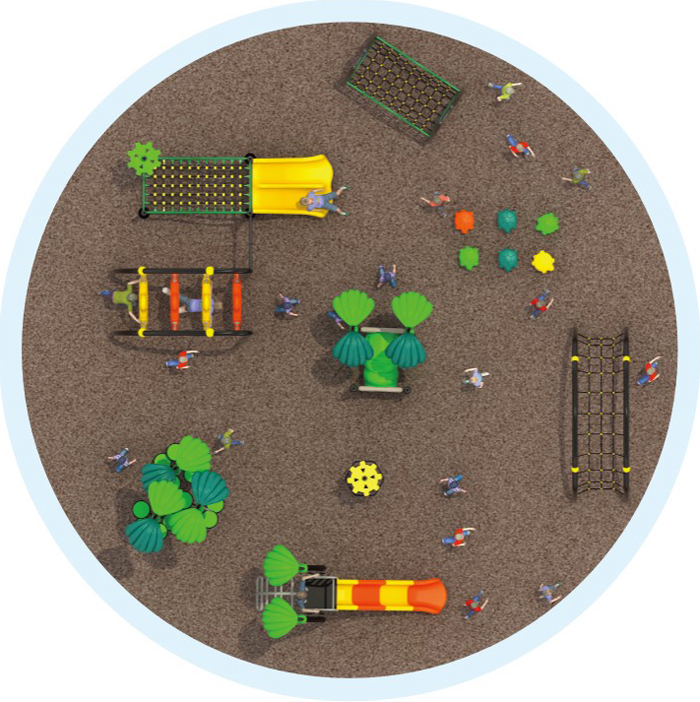
Used playground equipment: nine mistakes to avoid
1. Buying a description instead of an identifiable structure
“Commercial playground, good condition” is not enough information to approve a purchase. Ask the seller for the manufacturer, model, approximate installation date, identification labels and original drawings. Request photographs of the actual structure from every side, including connections and areas near ground level.
Create a one-page purchase record for the used playground equipment. List exactly what is included: towers, slides, stairs, rails, roofs, connectors and loose components. Have the seller distinguish items shown in photographs from items included in the sale. This is especially useful when an auction photograph shows several separate pieces of equipment.
2. Skipping the recall search
Search the CPSC recall database using the manufacturer and model, not just “playground.” Keep the search date and any matching notice with the purchase record. If a notice applies, ask for documentation of the specified remedy before moving forward.
CPSC explains that selling recalled products is unlawful, while a product with the recall remedy applied can be resold under the conditions it describes. Read its guidance for buying and selling online. A seller saying “we never had a problem” does not resolve a recall.
3. Assuming a backyard set fits a school or church project
Ask for documentation identifying the intended setting and age group. A low price does not establish that a residential set is appropriate for a shared facility. Give the product information to the person responsible for reviewing your project before arranging transport for used playground equipment.
The CPSC playground equipment guidance distinguishes public-use and home equipment considerations. A general safety badge or a seller’s description is not a substitute for documentation tied to the actual model and intended use.
4. Inspecting only the visible finish
New paint can make a listing attractive without answering questions about the parts underneath. Arrange an inspection before agreeing to buy used playground equipment. Ask the reviewer to document findings, identify unavailable inspection areas and distinguish cosmetic issues from items needing specialist assessment.
The CPSC Public Playground Safety Handbook identifies issues including cracks, loose anchoring, worn or missing parts, corrosion and rot. It also calls for repairs and replacements to follow manufacturer instructions. Treat an unresolved finding as a reason to pause, not an invitation to improvise a repair.
5. Treating removal and reinstallation as one simple job
For used playground equipment, ask for separate written scopes for dismantling, loading, transport, unloading and installation. Who labels the components? Who is responsible if a part is damaged during removal? What happens if a connection cannot be separated as expected?
Before buying, send the seller’s photographs and drawings to your proposed installer. Ask whether they will accept the work, what information they still need and what would change their quote. Use Bluejayset’s commercial playground installation information to start that scope discussion; confirm the assigned team’s experience, credentials and availability for your specific project.
6. Buying used playground equipment with missing parts
Request a parts list and ask the manufacturer or an appropriate supplier whether replacements remain available. Obtain prices and delivery estimates for the exact components the reviewer identifies. Do not assume that an inexpensive generic fastener, platform or guardrail is an acceptable replacement.
For a DFW campus, put delivery and installation alongside the school calendar. A purchase that arrives before a holiday break still needs a workable parts schedule and installation window. The purchasing deadline should follow a documented project plan, rather than pressure from a seller’s pickup deadline.
7. Assuming the old layout fits the new site
Give your designer a measured site plan, access-gate dimensions and photographs showing the delivery route. Ask them to evaluate the complete layout, including circulation, surfacing, drainage, shade and the intended users. A structure’s advertised length and width are only part of that discussion.
Price the receiving site separately. An existing bed of surfacing, fence or path may need additional work even if the used structure itself is inexpensive. For a Texas school or faith facility, identify who will confirm applicable site and accessibility requirements before the committee approves the final scope.
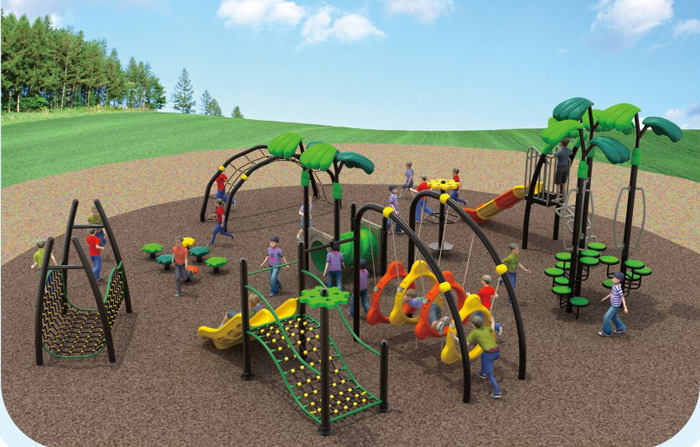
8. Reading “as is” as an answer to every ownership question
Ask what warranty, if any, covers the used playground equipment after relocation. Obtain the written terms rather than relying on the original brochure. Clarify whether any promised coverage includes parts, labor, replacement freight or installation workmanship, and who will handle a claim.
Send the proposed equipment and operating plan to your insurance adviser. Ask what information they need about age groups, supervision, inspection records and the installation. Neither a seller’s “as is” statement nor this buying checklist establishes insurance coverage or resolves liability questions.
9. Comparing the used asking price with a complete new quote
Put both options into the same worksheet. Include acquisition, removal, replacement components, freight, unloading, site work, installation and handover. Mark an unknown amount as unpriced; entering zero makes an incomplete option look artificially affordable.
Bluejayset manufactures in China and ships directly to end users. That gives buyers another sourcing option to compare with used playground equipment, but savings depend on the actual project. Ask for the delivery scope and applicable shipping, duties, taxes, installation and support terms in writing. Compare a matching commercial playground equipment configuration rather than two unrelated sets.
Is used playground equipment cheaper after installation?
Sometimes. The difference becomes clear only after both scopes are complete. The following numbers are a hypothetical purchasing exercise, not market averages, a Bluejayset quote or a promised saving. Both columns assume the same site needs and comparable play requirements.
| Project item | Used option | New option |
|---|---|---|
| Equipment | $8,000 | $18,000 |
| Removal and loading | $3,000 | $0 |
| Replacement components | $2,000 | $0 |
| Freight and unloading | $2,000 | $3,000 |
| Site work and surfacing | $10,000 | $10,000 |
| Installation and handover | $6,000 | $5,000 |
| Total before applicable taxes and other charges | $31,000 | $36,000 |
Here, the equipment prices differ by $10,000, but the project totals differ by $5,000. If the used option later needs $6,000 in additional work, its total becomes $37,000. The example shows why unresolved work can change the decision; it does not predict what your project will cost.
Add applicable taxes, duties and any other exclusions before comparing real offers. Ask each supplier to mark every line included, excluded or awaiting a quote. Keep the committee’s contingency separate from the quoted total so everyone can see what remains uncertain.
Should your organization buy, pause or pass?
Use this original screening table at the approval meeting. It is a purchasing framework, not a safety certification. The person approving expenditure should be able to point to the supporting document for each decision.
| Finding | Next step |
|---|---|
| Identity, condition, parts, receiving-site plan and installation scope are documented | Consider purchase after the responsible reviewers approve the complete project. |
| A price, component or inspection finding remains unresolved | Pause; obtain the missing document or revised quote before committing. |
| The seller cannot identify the structure or your installer will not accept the work | Pass on this offer unless the missing evidence can be resolved. |
| A recall match has no documented remedy | Do not proceed with the purchase; follow the recall instructions. |
Build a condition record that survives the handover
A useful record for used playground equipment connects each finding to a specific component. Start with the manufacturer’s identification and the seller’s inventory. Give each tower, slide, stair section and loose item a consistent label in your notes. Use those labels in photographs and contractor questions so everyone knows which part is being discussed.
Keep the seller’s description separate from the reviewer’s findings. For example, “repainted last summer” is a statement about work the seller reports. It does not tell the buyer what condition exists beneath the coating or whether the original manufacturer approved the repair. Record who supplied each statement and attach the supporting document when one is available.
Ask the reviewer to explain the limits of the inspection. An area hidden by a foundation or an inaccessible connection may remain unresolved until dismantling. The purchasing team needs to know which conclusions are supported now and which depend on later access. This distinction helps the organization avoid treating an incomplete review as a final acceptance of the entire structure.
Before the crew dismantles used playground equipment, agree on a labeling and packing method. Ask how small components will be grouped and how the crew will reconcile them against the inventory. Photographs of an assembled structure are useful context, but they do not replace the manufacturer’s assembly instructions or an accurate list of the parts delivered to the new site.
When used playground equipment reaches the receiving location, compare the shipment with the agreed list. Record shortages and visible transport damage using the procedure established with the seller and contractors. Keep the original images alongside the receiving record so a later reviewer can distinguish a previously documented issue from something first noticed after transport.
For replacement components, keep the exact part identification, supplier response and the proposed repair instructions together. If a seller suggests an improvised substitute, send that proposal to the appropriate reviewer rather than accepting it because it appears to fit. The purpose of the record is to make an informed decision possible, not to provide a do-it-yourself repair method.
Close the purchasing file with the final installation documents, outstanding-items list and assigned follow-up contacts. Give the facilities team access to the information it needs for future inspections and parts requests. A change in volunteers, teachers or maintenance staff should not cause the equipment’s identity and repair history to disappear.
This record does not make an unsuitable structure acceptable. It helps a school or church recognize what it knows, identify what it still needs to resolve, and explain why it chose to buy, pause or decline a particular offer of used playground equipment.
Questions about buying used playground equipment
Where can schools and churches find used playground equipment?
Possible channels include institutional surplus listings, equipment resellers and direct offers from organizations replacing a structure. Availability changes. Treat every listing as a lead to investigate, and ask for identity, condition and included-parts documentation before discussing a deposit.
Is donated playground equipment really free?
The acquisition price may be zero while removal, transport, repairs and installation still require a budget. Run a donation through the same worksheet and review process as a purchase. Ask the donor for the same records you would request from a seller.
Can volunteers install a secondhand playground?
Do not base that decision on the number of volunteers available. Ask the manufacturer and project reviewer what skills, instructions and inspections the work requires, then confirm who accepts responsibility for each stage. Establish a qualified installation plan before accepting the equipment.
How should we maintain it after relocation?
Obtain the manufacturer’s maintenance instructions and establish an inspection and recordkeeping process before opening. The CPSC handbook recommends retaining inspection and repair records. Bluejayset’s playground maintenance checklist can help organize the ongoing discussion with your maintenance team.
Compare your used offer with a new equipment plan
Before your DFW or Texas organization commits, gather the listing, site dimensions, intended age group, project location and target opening date. Request a Bluejayset equipment comparison quote and ask for an itemized new-equipment scope. A documented comparison gives your board or purchasing team a clearer basis for deciding where the money goes.